
The Person Who Made $69 Million with NFTs Four Years Ago Is Still Making Money

 Prefer us on Google



beeple, the man who sold a single NFT for a record-breaking $69 million, has always been seen as a symbol of the NFT golden age that once was.

Despite the fading glory of NFTs, beeple and his team have remained active in the NFT community. At this year's Basel Art Fair, he once again brought a "Golden Dog" — Regular Animals — to the currently lackluster NFT market.
Yesterday, multiple pieces of Regular Animals were sold on OpenSea for over 10 ETH (around $35,000) each, even though this artwork was originally given out for free at the Basel Art Fair, with a total of 256 pieces distributed. By this calculation, beeple gave away NFTs worth millions of dollars at the Basel Art Fair.
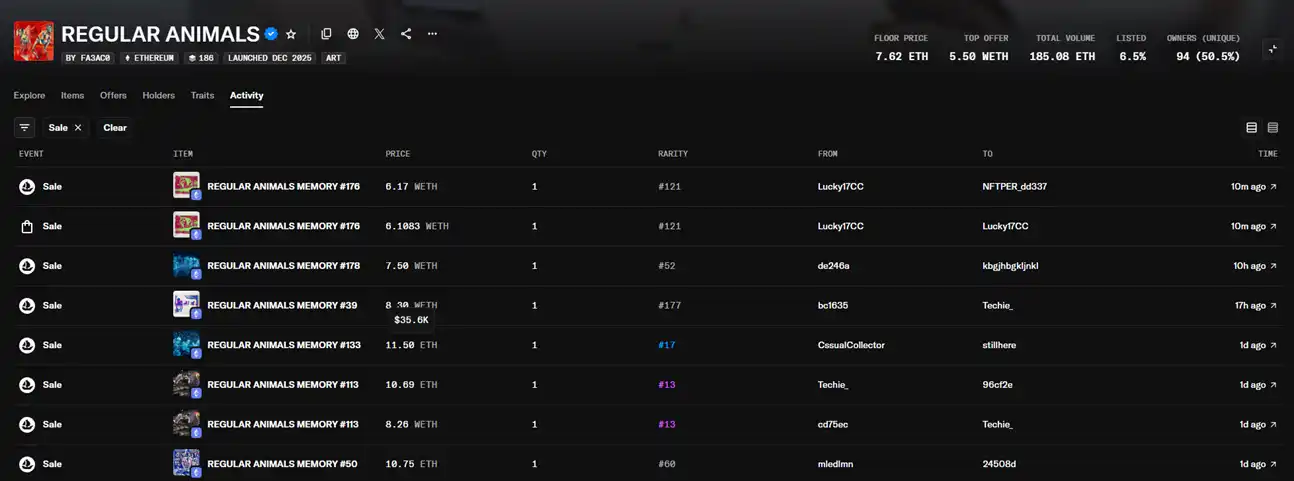
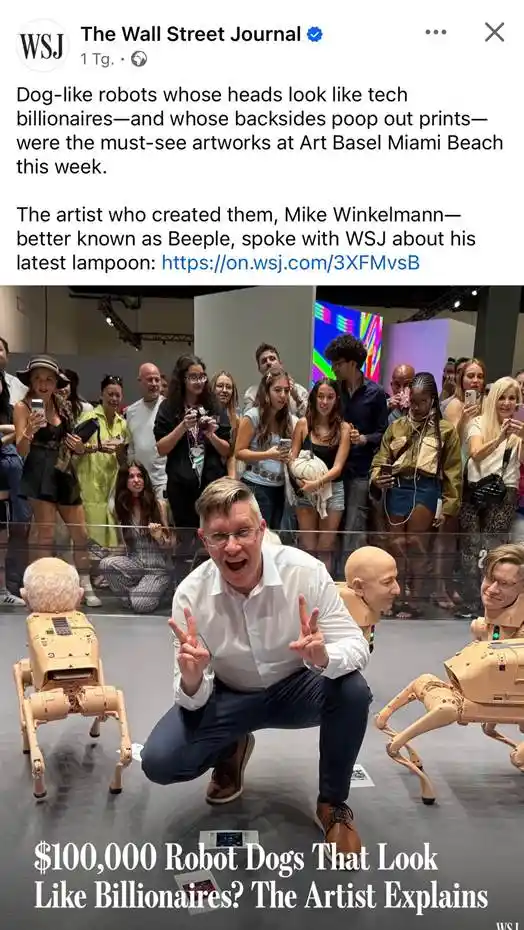
For the Basel Art Fair project, beeple and his team presented Regular Animals, a collection of "regular animals." These are a bunch of robotic dogs, as shown in the image below, with somewhat eerie human faces resembling well-known personalities such as Musk, Andy Warhol, Zuckerberg, Picasso, and even beeple himself.
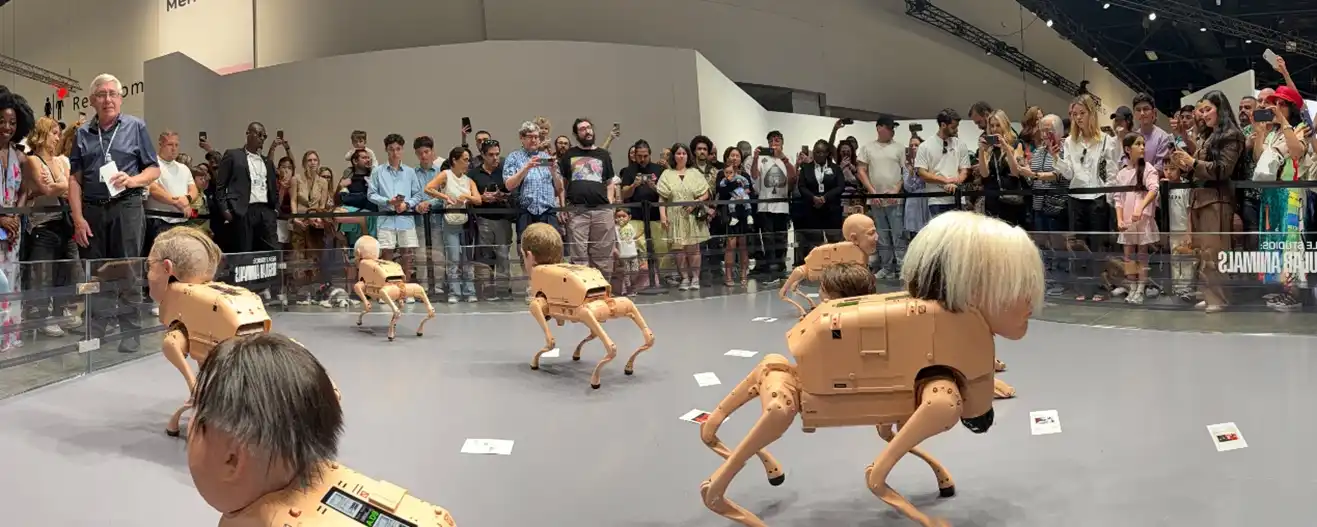
However, the visual effect of these somewhat eerie robotic dogs is not the only feature; these robotic dogs observe their surroundings through cameras in their heads and use a continuously evolving visual algorithmic logic to create art.
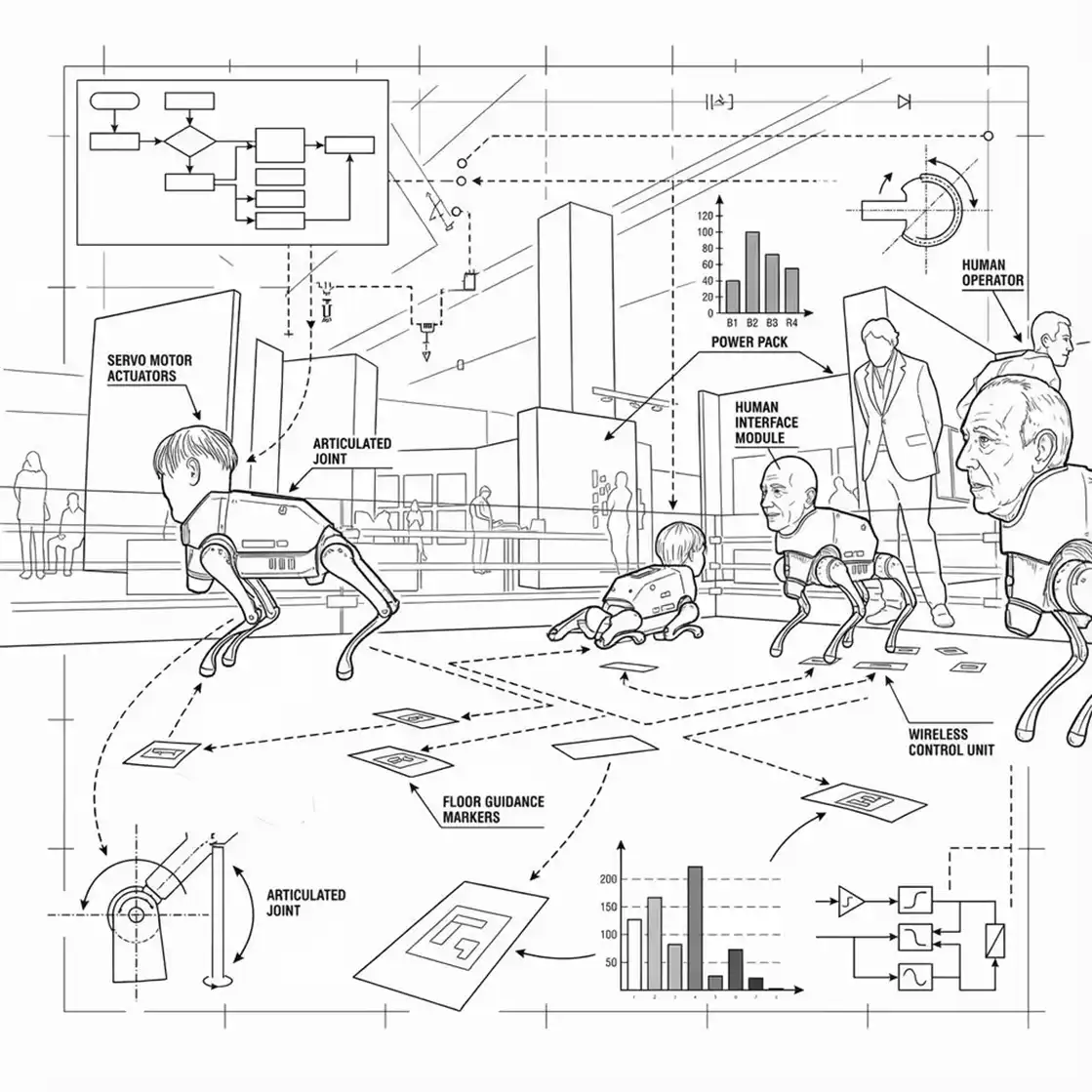
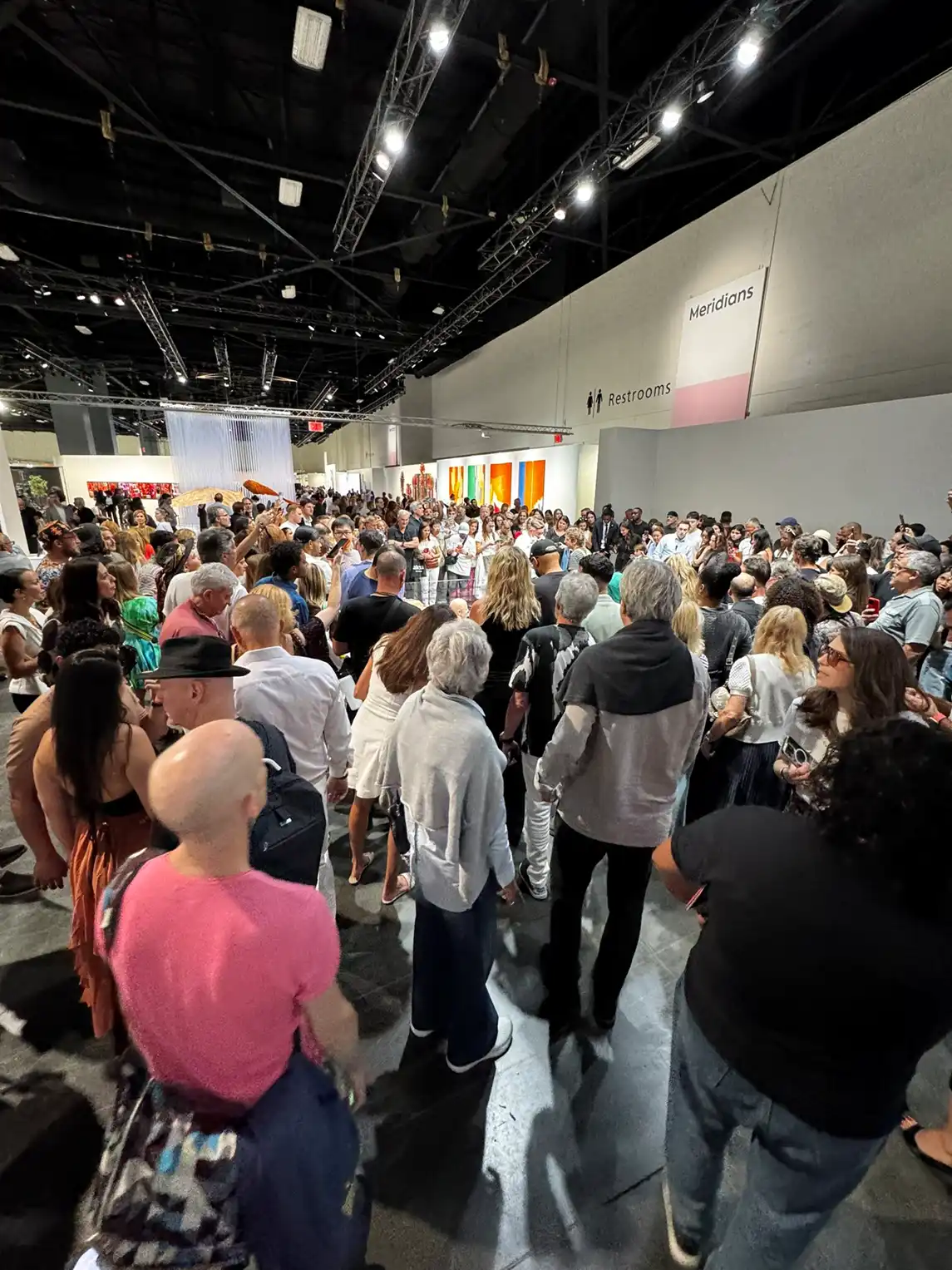
The selection of these celebrity personas embodied by the robotic dogs is not arbitrary. These personalities were chosen because they have influenced the way humans perceive the world, whether through algorithms, art, or politics. As humans, we view the world through these perspectives, and so do these robotic dogs. At the Basel Art Fair, these robotic dogs and humans observe each other, and each moment of observation becomes an artwork created by these robotic dogs, which serve as their autobiographies.
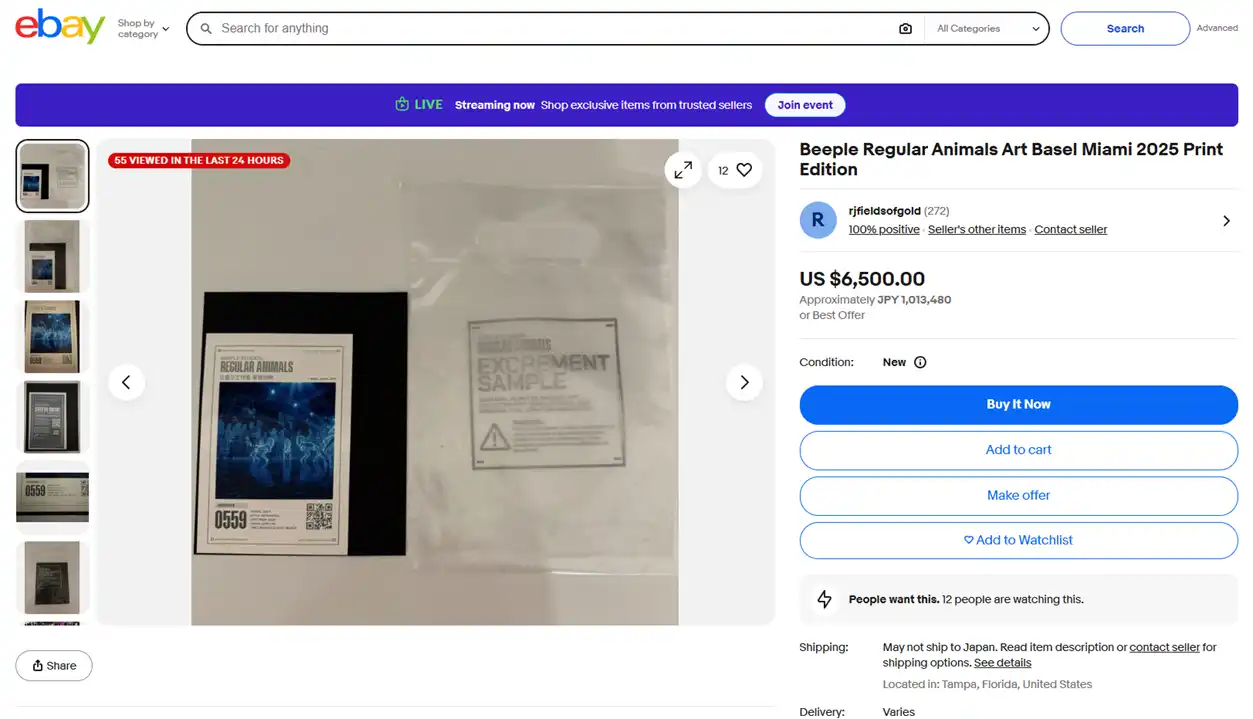
Interestingly, Regular Animas also has a physical series, totaling 1024 pieces. On eBay, someone has already listed it for a fixed price of $6500. The market pricing suggests that the NFT is far more valuable than the physical artwork, reminiscent of Damien Hirst's "The Currency" series from years ago, forcing owners to choose between physical and NFT.
Before achieving great success in the NFT space, beeple had been creating art every day since 2007, with none selling for over $100. After gaining fame and fortune, beeple did not splurge like some artists or crypto project founders. Instead, he acquired a roughly 460-square-meter studio/gallery, assembled a team of dozens of 3D artists, engineers, and researchers (including a former Boeing engineer), invited Carolyn Christov-Bakargiev, former director of the Castello di Rivoli contemporary art museum, as an advisor, continuously exhibited his work at art shows around the world, and created new art pieces.
Beeple's recent exhibition featuring robotic dogs has garnered attention not only in the crypto community due to its prices but also received coverage from traditional media outlets like the WSJ.
Disclaimer: This content is provided for general branding and informational purposes only and doesn't constitute financial, investment, legal, or tax advice. Any events, rewards, online events, or related information mentioned herein should not be considered a recommendation, solicitation, or invitation to purchase, sell, trade, or otherwise deal in any crypto assets or to use any services. Crypto assets are highly volatile and may result in loss. WEEX services and online events may not be available in all regions and are subject to applicable laws, regulations, and eligibility requirements. You are responsible for ensuring that your use of WEEX services complies with local laws and for carefully assessing the risks before participating in any crypto-related activities.
You may also like
Ripple is regulated in Europe before it is classified in America: inside the Luxembourg license
Nokia and AI: How the Cell Phone Manufacturer Reborn in Data Centers

The U.S. CBDC Ban Until 2030 Will Take Effect Without Trump's Signature
Tangem: the risk of laser attacks is "virtually nonexistent"

Crypto IPO market stalls as capital rotates to AI and macro uncertainty weighs

Living in Europe Puts a Target on Your Back for Having Bitcoin

Nano Banana 2 Lite vs. Nano Banana 2: When to Save Your Money and When to Upgrade
Royalty Automation: Is the Market Dispensing with State Bureaucracy?
Haddad Attacks Selic at 14.25%: What Changes in the Fiscal Debate
S&P 500 Earnings in Q2 2026: Highest Increase in 5 Years
Pantera Capital: As Perpetual Contracts Move to Financial Centers, Hyperliquid Aims to Embrace All
Bitcoin: Ki Young Ju Sees a Rebound in the Coming Months
Vitalik Buterin urges Elon Musk to remake X for AI governance

Margex Review 2026: Overview of the Crypto Trading Platform

ESMA targets MiCA crypto custodians with resilience review
From Automotive Finance to Bitcoin and AI Engines: An Analysis of Cango's 'What Not to Do' Strategy

Goldman Sachs Report Analyzes China's AI Large Model Competitive Landscape: Who Will Be the Long-Term Winner?
Strategy's Cryptocurrency Selling Limit Exceeds $1.25 Billion: A Detail Overlooked by the Market
Vitalik: Open to Slowing or Pausing AI, Supports d/acc Platforms
SK Hynix Rings the Bell in New York: Nasdaq Crowds Overflowing
KOR Protocol Secures $7.5 Million Funding to Become the Clearinghouse for Creative Assets in the AI Era
Important News from Last Night and This Morning (July 10 - July 11)

Web3 Newsletter: Industry Highlights and Must-See Trends This Week
The Shovel Sellers of the AI Cold War: A New Arms Race Beyond the Moon Landing, the Second Act of 'Money into Taiwan Stocks' is Just Beginning
From Transaction Fees to Stablecoins: The Revenue Drivers and Moats Behind Web3 Business Models
The New DeFi Battle: Platforms Compete to Enter Traditional Businesses
Apple Sues OpenAI for Theft of Trade Secrets
Crypto: XRP ETFs Experience Largest Capital Outflows of the Year
Fear Surrounding Solana Reaches Peak in 2026, According to Santiment
a16z Co-founder Marc Andreessen Joins Federal Reserve AI Working Group
Ripple is regulated in Europe before it is classified in America: inside the Luxembourg license
Nokia and AI: How the Cell Phone Manufacturer Reborn in Data Centers
The U.S. CBDC Ban Until 2030 Will Take Effect Without Trump's Signature
Tangem: the risk of laser attacks is "virtually nonexistent"
Crypto IPO market stalls as capital rotates to AI and macro uncertainty weighs
Living in Europe Puts a Target on Your Back for Having Bitcoin